The best winery stagette days do not feel overplanned, but they are never thrown together. If you want to organize a winery stagette outing that feels stylish, easy, and genuinely memorable, the magic is in the pacing. The right mix of vineyards, views, transportation, tasting styles, and downtime can turn a simple day of sipping into one of the most talked-about parts of the celebration.
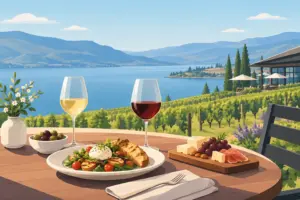
Kelowna and the Okanagan are especially well suited for this kind of gathering. You get lake views, rolling vineyard landscapes, standout tasting rooms, and a range of wineries that can suit different personalities in one group. Some guests want bold reds and cellar stories. Others want rosé on a patio and a few good photos. A well-planned stagette can make room for both.
Start with the kind of stagette you actually want
Before you choose a single winery, decide what the day is supposed to feel like. That sounds obvious, but it is where many groups get off track. A stagette built around lively social energy will look different from one centered on scenic luxury or relaxed wine education.
If the bride wants a polished experience with beautiful stops, a guided route, and no one worrying about directions or tasting reservations, that points toward a curated tour format. If the group is more casual and wants flexibility, a private itinerary can still work beautifully, but it should have structure. Too much spontaneity often means lost time, rushed tastings, and a group that starts the day excited and ends it feeling scattered.
It also helps to ask one practical question early – is this a wine-first day or a celebration-first day? There is no wrong answer. Some stagettes want to sip, savor, and learn a little about terroir and winemaking. Others want a scenic social outing where wine is part of the backdrop. Knowing which one you are planning will shape the winery mix, the length of the day, and whether lunch needs to be a major feature.
How to organize a winery stagette outing without overloading the schedule
The biggest planning mistake is trying to fit in too much. A winery visit is not just a tasting pour. It includes arrival time, check-in, walking the property, browsing bottles, photos, and getting everyone back together. Three to five winery stops is usually the sweet spot, depending on the tour length.
For a half-day outing, three thoughtfully chosen wineries often feel more luxurious than trying to squeeze in four. For a full day, four or five can work well if the route is tight and the pacing includes a proper lunch stop or a reset in the middle of the day. The goal is not to collect as many wineries as possible. The goal is to give the group enough time to enjoy each setting.
This is especially true with mixed groups. Not everyone tastes at the same pace. Some want to ask questions about the vintage and vineyard block. Some want to enjoy the view and move on. A realistic schedule gives both types of guests space to enjoy themselves.
Choose wineries with variety, not just name recognition
A good stagette itinerary has contrast. One winery might offer dramatic architecture and a formal seated tasting. Another might be more playful, intimate, or patio-focused. A third could bring in that classic Okanagan postcard moment with sweeping lake views and sunlit vines.
That variety keeps the day interesting and helps the group feel like they are seeing the region rather than repeating the same experience. It also gives the bride a more layered memory of the day. Big-name wineries can absolutely belong in the mix, but they are often best paired with smaller or more boutique stops that feel personal and less crowded.
If food matters to your group, look at which wineries have restaurant options nearby or on-site. A long tasting day with no real meal can flatten the energy quickly. On the other hand, a leisurely lunch in the middle of the route can become one of the highlights.
Transportation is not a detail – it is the backbone
If you are trying to organize a winery stagette outing on your own, transportation is where the plan either becomes effortless or stressful. Between tasting room timing, parking, navigation, and keeping the group together, self-driving introduces too many moving parts for a celebration day.
Professional transportation changes the tone immediately. Guests can settle in, enjoy every pour, take in the scenery, and stay present. No one has to be the responsible one who misses the full experience. No one has to coordinate maps between stops or figure out who is arriving where.
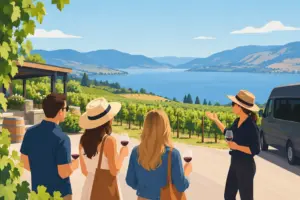
That is one reason guided wine tours work so well for stagettes. They remove the logistical friction while adding something genuinely valuable – local insight. A knowledgeable host can shape the route, adjust the pace, recommend wineries that suit the group, and add context about the region, the vineyards, and the wines in your glass. It turns the day from a series of reservations into a polished hosted experience.
Private or public tour?
It depends on the group. A private tour is usually the better fit for a stagette because it gives you more control over timing, tone, and winery selection. You can build around the bride’s preferences and create a more intimate feel. It also makes small details easier, whether that means coordinating a lunch stop, managing a specific pickup point, or allowing time for photos.
A shared tour can still be enjoyable for smaller groups or more budget-conscious plans, but it offers less flexibility. If the celebration is a central part of the trip, private tends to feel more natural and elevated.
Plan for everyone in the group, not just the wine lovers
The strongest stagette itineraries are designed for the full group dynamic. In almost every bridal party, there will be a range of wine knowledge and enthusiasm. One person may know exactly what she wants to taste. Another may simply want a beautiful day out with friends.
That does not mean the itinerary needs to be watered down. It means choosing experiences that are welcoming, scenic, and engaging at different levels. Wineries with strong hospitality, approachable staff, and a setting that invites people to linger tend to work best. Educational elements can add depth, but they should feel enjoyable rather than formal.
This is also where pacing matters again. A stacked schedule can feel fine for seasoned wine travelers and exhausting for everyone else. Build in enough breathing room so the day feels celebratory rather than transactional.
Keep the style elevated but realistic
There is a sweet spot between a glamorous wine country celebration and a plan that is difficult to pull off. Matching outfits, custom touches, and thoughtful details can be fun, but they should not interfere with comfort. Vineyard terrain, tasting room etiquette, weather shifts, and travel time all matter more than people expect.
Encourage the group to dress for photos and movement. Stylish shoes are great until there is a gravel path, a vineyard slope, or a long walk to a viewpoint. Seasonal planning matters too. Summer offers long sunny afternoons and lively patios, but it also means busier tasting rooms and warmer temperatures. Shoulder season can be ideal for groups who want a more relaxed pace and easier reservations.
If you are adding extras such as lunch, sparkling wine, or a surprise stop, keep the day balanced. Too many add-ons can make the outing feel crowded. One or two well-chosen upgrades usually create more impact than trying to turn every stop into an event.
Timing matters more than most groups expect
The best winery stagette outings flow. They do not begin too early, they do not drag too late, and they leave room for the group to enjoy the evening afterward if that is part of the plan.
A late-morning start often works well. It gives everyone time to get ready without rushing and allows the first tasting to feel relaxed rather than sleepy. If lunch is included, placing it after one or two wineries usually lands well. That way, the group arrives with an appetite and gets a natural reset before the afternoon tastings.
Try not to book a full-day wine tour if the group also has major evening plans that require lots of energy. It can be done, but the experience shifts. A half-day outing is often smarter if dinner reservations, nightlife, or another event are on the schedule. The right choice depends on whether you want the wineries to be the main event or one beautiful part of a bigger stagette weekend.
Why local expertise makes the day better
There is a difference between visiting wineries and being hosted through wine country. Local expertise helps you avoid common planning issues, but it also shapes a better experience. The route is smarter. The winery mix is stronger. The timing feels smoother. The day has a sense of place.
In a region like the Okanagan, that matters. The landscape, wine styles, and sub-regions each bring something distinct, and a well-curated outing can highlight those differences without making the day feel academic. For a stagette, that balance is ideal. You want enough substance to make the tastings memorable and enough ease to keep the celebration light.
For groups visiting Kelowna, working with a hosted experience such as Vines & Views can take the pressure off the planner and elevate the day for everyone involved. Instead of managing reservations and transportation behind the scenes, you get to be part of the celebration too.
A winery stagette should leave the bride feeling celebrated, not scheduled. If the day includes good wine, beautiful scenery, thoughtful pacing, and the comfort of knowing every detail has been handled, you are already very close to getting it exactly right.