A tasting room can make a beautiful bottle feel simple: choose red or white, enjoy the view, take a sip. Yet the most memorable wines often become meaningful when you understand what shaped them. The educational winery tour benefits begin there, turning an enjoyable day of tasting into a richer connection with the vineyards, people, and landscapes behind every glass.
In Kelowna and across the Okanagan Valley, wine is inseparable from place. Sun-drenched slopes, lake breezes, glacial soils, thoughtful farming, and a winemaker’s decisions all leave their mark. A guided experience gives those details context without making the day feel like a classroom. You can sip, savor, and sightsee while gaining the confidence to recognize what you love and why.
1. You learn to taste with more confidence
Many guests worry that they do not know enough about wine to join a tasting. In reality, an educational tour is one of the most relaxed places to start. A skilled guide and winery host can offer useful language around aroma, texture, acidity, tannin, and finish, then help you connect those ideas to what is in your own glass.
There is no need to identify every note perfectly. The goal is not to pass a test. It is to notice how a crisp Riesling feels different from a fuller Chardonnay, or how a structured Cabernet differs from a silky Pinot Noir. Once you have a few reference points, ordering wine at dinner or choosing a bottle for a celebration feels much less intimidating.
For experienced wine drinkers, the value is different but just as real. You may deepen your understanding of regional styles, compare producers side by side, and ask more specific questions about vineyards and cellar choices. The best tastings meet guests at their current level of curiosity.
2. Terroir becomes something you can see
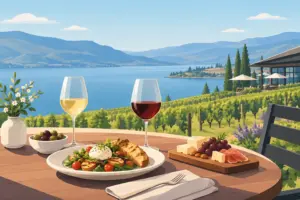
Terroir is often described as a sense of place, but the phrase becomes much clearer when you are standing among the vines. On an Okanagan wine tour, you may see steep benchlands above the lake, dry valley floors, rocky soils, or vineyard rows catching the afternoon light. Suddenly, the conversation about drainage, elevation, heat, and cooling winds has a real setting.
That context changes the tasting. A bright, mineral-driven white may make more sense after learning about the vineyard’s soil. A bold red can feel even more expressive once you understand the long, warm growing season that helped the grapes ripen. Wine education is most enjoyable when it is sensory, and the valley itself is part of the lesson.
It also explains why two wineries can make remarkably different wines from the same grape variety. Climate and site matter, but so do farming practices, harvest timing, and the individual vision of each producer. A curated route helps bring those comparisons into focus.
3. You meet the people behind the bottle
A label can tell you the vintage, variety, and alcohol percentage. It cannot always tell you why a grower chose a particular block for their Syrah, why a winemaker uses neutral oak, or what a difficult harvest taught the team. Conversations with tasting room staff, vineyard hosts, and winemakers add the human story that makes a bottle more memorable.
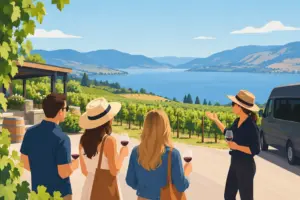
On a well-planned tour, those conversations are easier to enjoy because someone else has handled the route, timing, and transportation. Rather than watching the clock or navigating unfamiliar roads, you can be present for the details that make each stop distinct.
This insider perspective can also reveal the range of Okanagan wine culture. Some wineries are celebrated for grand architecture and panoramic views. Others are smaller, family-run properties where the focus is on limited-production wines and close-up hospitality. Both can be exceptional, but they offer different lessons and different moods.
4. Educational winery tour benefits extend beyond wine
A winery visit is also an introduction to regional food, agriculture, and hospitality. The Okanagan is known for more than its vineyards. Orchard fruit, local cheeses, seasonal menus, and carefully prepared lunch stops all reflect the same growing conditions and sense of place found in the wines.
Learning a little about food pairing can make the experience especially practical. You may discover why a high-acid white brings out the freshness of goat cheese, why a savory red works beautifully with grilled meat, or why a lightly sweet wine can balance a spicy dish. These are useful ideas to carry home, whether you are hosting friends or choosing from a restaurant list.
There is a trade-off worth recognizing. A tour that tries to fit in too many wineries can leave little room for these moments. Three thoughtfully chosen stops often provide a more satisfying educational experience than a rushed attempt to visit five or six. Quality conversation, scenic pauses, and time to revisit a favorite pour matter.
5. Curated comparisons sharpen your palate
Tasting one wine can be pleasant. Tasting wines with a purpose helps you understand them. A guided itinerary can place contrasting styles in a meaningful sequence, perhaps beginning with aromatic whites, moving to rosé, then finishing with expressive reds. The order gives your palate a chance to notice differences without being overwhelmed.
You might compare how oak changes a Chardonnay, how different elevations influence acidity, or how a winery’s house style appears across several varietals. These comparisons are harder to organize independently, especially if you are new to the area or trying to coordinate reservations for a group.
A guide also knows when to keep the discussion simple. Not every stop needs a technical lesson on fermentation vessels or canopy management. For some guests, the right amount of education is a few clear stories and helpful tasting cues. For others, it is a longer conversation about clones, aging, and vintage variation. A personalized tour can make room for both.
6. Shared learning makes group occasions more memorable
Wine tours are naturally social, which is why they work so well for couples, friends, bridal parties, and corporate groups. Education gives the day an added layer beyond simply moving from one tasting to the next. Guests compare impressions, laugh over unexpected favorites, and leave with stories that are more specific than we had a nice day.
For a bridal party, that might mean discovering a sparkling wine that becomes part of the wedding weekend. For a corporate group, it may be a chance to connect outside the usual meeting setting while learning something together. For couples, a guided tasting can become a shared ritual: noticing a new variety, picking a favorite vineyard view, or taking home a bottle tied to a particular moment.
The key is pacing. Groups with mixed wine knowledge benefit from an itinerary that feels welcoming rather than overly technical. The wine should invite conversation, not turn the day into a lecture.
7. You can enjoy the day responsibly and fully
One of the most practical benefits of a guided winery tour is also one of the most valuable: you do not have to drive. The Okanagan’s scenic roads deserve your attention, and tasting is more enjoyable when everyone in your party can participate without managing maps, parking, reservations, or a designated-driver rotation.
Professional transportation creates space to relax between wineries, take in the lake and vineyard views, and discuss what you have tasted. It also keeps the itinerary moving smoothly, which can be particularly helpful during busy seasons when tasting appointments and lunch reservations need careful coordination.
At Vines & Views, the aim is to pair that ease with genuine regional insight. A polished tour should feel effortless for guests, even though thoughtful planning is working quietly in the background.
How to get more from an educational winery tour
Arrive curious rather than prepared to prove what you know. Ask about the vineyard source of a favorite wine, the harvest season, or what the host would pour alongside a local meal. Take a quick photo of a label or jot down a few words about what you enjoyed, especially if you plan to buy bottles later.
It also helps to choose a tour that matches your pace. A half-day experience can be ideal if your schedule is full or you want an easy introduction. A private or custom itinerary may be better if your group has specific wineries in mind, wants more time for lunch, or includes serious collectors who would appreciate deeper discussions.
The best bottle from a winery tour is not always the most expensive one. Often, it is the wine that brings back the view from the vineyard, the story behind the pour, and the people who shared it with you. Give yourself time to ask one good question at each stop, and let the answer shape the way you taste.