The difference between a pleasant day of winery hopping and a truly memorable Okanagan outing is often the planning you never have to see. A curated wine experience example is not simply a vehicle moving guests between tasting rooms. It is a thoughtfully paced day that brings together the right wineries, wines, views, food, stories, and people – leaving room to sip, savor, and sightsee without watching the clock.
For travelers visiting Kelowna, that distinction matters. The Okanagan Valley has remarkable range, from lakefront vineyards and iconic architectural estates to intimate family-run cellars making limited-production wines. Choosing where to go can feel like a wonderful problem until reservations, driving, tasting fees, lunch timing, and group preferences enter the picture. A guided, curated route turns those moving pieces into an experience that feels easy from the first pour to the final view.
A Curated Wine Experience Example: West Kelowna
Imagine a couple visiting Kelowna for a long weekend. They enjoy wine but do not want a technical lecture at every stop. One prefers crisp whites and rosé, while the other is drawn to expressive reds. They want beautiful scenery, a relaxed lunch, and the freedom to enjoy a tasting without assigning someone the role of designated driver.
Their day begins with a comfortable pickup and a warm welcome from a local guide. Rather than handing them a generic list of wineries, the guide introduces the shape of the day: a balance of established destinations, distinct wine styles, and scenic moments that reveal why this valley is such a celebrated wine region. The route has been organized around geography, so time is spent in vineyards and tasting rooms rather than circling back across town.
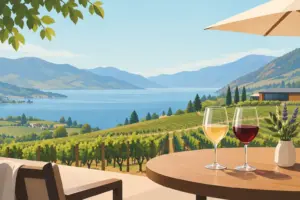
The first stop might be a hilltop winery in West Kelowna, where vineyard rows sweep toward Okanagan Lake. Morning is an ideal time for a focused tasting. Palates are fresh, tasting rooms are often quieter, and the guide can set the scene with an accessible introduction to the valley’s climate. Guests learn how long, sun-filled summer days, cool nighttime temperatures, and varied soils shape the wines in their glasses.
A bright aromatic white may lead the tasting, perhaps followed by a structured Chardonnay or a lively rosé. The value of a guide is not in telling guests what they should like. It is in making the tasting more personal: pointing out a style worth trying, translating wine language into plain terms, and connecting a flavor to the vineyard, vintage, or winemaking choice behind it.
From tasting room to vineyard story
The second stop changes the perspective. Instead of repeating the same type of tasting, the itinerary may move to a smaller producer with a more intimate setting. Here, the conversation can shift toward site-specific wines, small-lot production, or the family and farming decisions that influence a bottle long before it reaches the cellar door.
This contrast is what makes a curated day feel layered rather than crowded. A larger estate may offer dramatic architecture and polished hospitality, while a boutique winery can feel more conversational and close to the land. Neither is automatically better. The right combination depends on the guests, the season, the size of the group, and whether the day calls for landmark views, hidden gems, or both.
Along the way, there is time to take in the landscape. The Okanagan is not a backdrop added after the wine. The lake, sloping benches, dry hillsides, and orchard-lined roads are part of the experience and part of the region’s terroir. A knowledgeable guide gives that scenery context, sharing the local details that make a view more meaningful than a photo stop alone.
A Lunch Stop That Belongs in the Day
By midday, a well-planned tour makes space for lunch rather than squeezing it between appointments. This is a welcome pause for guests and a practical choice for a day of tasting. Depending on the itinerary, lunch may be enjoyed at a winery restaurant, a vineyard-side patio, or another thoughtfully selected local setting.
The best lunch stops complement the wine experience without turning the day into a rushed meal. Think seasonal dishes, fresh regional ingredients, and a table with a view that encourages guests to settle in. A glass of wine can be part of the occasion, but it does not need to be. Good curation recognizes that everyone has a different pace and appetite.
For a birthday group or bridal party, lunch may be the natural centerpiece – a time for toasts, photos, and shared plates. For a corporate group, it can offer a relaxed space for conversation outside the usual office rhythm. For a couple, it may simply be the moment when the day slows down enough to appreciate how far they have come from a regular afternoon at home.
The Afternoon: A Different Style of Discovery
After lunch, the route can move toward bolder wines, a more immersive estate, or a final tasting chosen for its distinctive setting. This is where intentional pacing matters most. Three or four meaningful winery visits are often more enjoyable than trying to fit in too many stops. Guests should have time to ask questions, browse the shop, take photographs, and notice which wines they genuinely want to bring home.
A final stop might feature elegant Pinot Noir, full-bodied Bordeaux-style reds, or a tasting that highlights the contrast between valley-floor fruit and grapes grown at higher elevations. The guide can help guests compare styles across the day without making the experience feel formal. One wine may show bright fruit and lift, another deeper texture and spice. The point is not to pass a test. It is to leave with a clearer sense of what makes Okanagan wine distinctive and what styles feel most enjoyable to each guest.
This is also when logistics become especially valuable. Purchases can be stored safely, reservations are already handled, and no one needs to calculate the drive back to their hotel. Guests remain present for the final tasting instead of switching into navigation mode.
What Makes the Experience Curated Rather Than Packaged?
A package can be convenient. A curated experience is convenient because it has been designed around real people. It considers the occasion, group size, preferred wine styles, mobility needs, desired pace, restaurant preferences, and the practical realities of the season.
In spring and fall, the rhythm of the day may favor warm indoor tasting rooms, harvest activity, or quieter vineyard views. In summer, early reservations and a shaded lunch patio can make the day more comfortable. A private tour may allow greater flexibility for a group with specific winery requests, while a structured shared tour can be an excellent fit for travelers who enjoy meeting fellow wine lovers and want a polished itinerary without making every decision themselves.
There are trade-offs. Guests who want to visit one particular winery may need an itinerary built around that location and availability. Those seeking deeper education may prefer fewer stops with longer hosted tastings. A lively stagette outing calls for a different energy than a quiet anniversary day. Great curation does not force every guest into the same template. It makes the route feel right for the reason they came.
Why Local Guidance Changes the Day
Wine tourism is at its best when it connects guests to place. A local guide knows which roads offer the most striking views, how to pace a route, where a tasting is particularly strong, and when a certain winery makes sense for a group’s interests. They also bring the human element: the story behind an appellation, a recommendation based on a guest’s reaction to a wine, or the simple reassurance that every detail has been handled.
At Vines & Views, that local perspective is central to the experience. Guests are invited to enjoy the Okanagan with the confidence that comes from having an expert host, comfortable transportation, carefully selected winery visits, and time to be fully present.
The most memorable wine days rarely come from checking off the highest number of tasting rooms. They come from the glass that surprises you, the vineyard view that makes everyone pause, the lunch conversation that runs longer than planned, and the ease of knowing the next beautiful stop is already waiting.