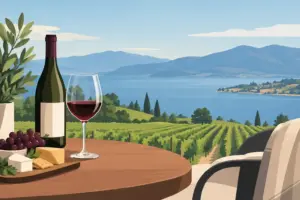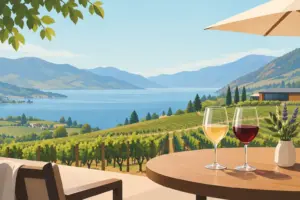
The first pour at an Okanagan winery often comes with a view: vineyard rows running toward the lake, bright valley light, and a tasting room team ready to share what makes each bottle distinct. Wine tasting etiquette is not about memorizing formal rules or proving that you know more than the person beside you. It is simply the thoughtful way to enjoy that welcome, respect the people pouring, and give yourself the best chance to sip, savor, and sightsee with confidence.
Whether you are visiting a single estate for the afternoon or moving through a curated day of winery stops, a little awareness makes the experience more relaxed for everyone. The goal is pleasure, curiosity, and a genuine connection to the wines and the place that produced them.
Wine Tasting Etiquette Starts Before the First Pour
A polished tasting experience begins before you enter the tasting room. Arrive on time for a reservation, especially during the Okanagan’s busy spring, summer, and harvest seasons. Wineries often host several groups in carefully timed sessions, and arriving late can shorten your own visit while affecting the next guests’ experience.
Skip strong perfume, cologne, scented hand lotion, and heavily fragranced lip products. Aroma is a major part of tasting wine, and powerful scents can make it harder for you and those nearby to notice the delicate notes in a crisp Riesling or a barrel-aged Cabernet Franc. Fresh, comfortable clothing and neutral scents are always the right choice.
It also helps to have a small meal before your tour. Tasting on an empty stomach can make even a modest number of pours feel stronger than expected. Many guests build in a relaxed lunch stop, which is an excellent way to reset between winery visits and enjoy the region’s food alongside its wines.
Most importantly, plan transportation before the day begins. The Okanagan’s scenic roads deserve your full attention, not a designated driver’s calculations after several tastings. A guided tour allows everyone in your group to participate, enjoy the landscape, and return safely without the pressure of navigating unfamiliar routes.
At the Tasting Bar: Curious Beats Performative
When you arrive, let your host lead the pace. They may explain the flight, the winery’s history, the vineyards, or the order of wines. Usually, lighter wines are poured before fuller reds, though each winery may have a reason to arrange a flight differently. There is no need to rush ahead or ask for a favorite style before hearing what the team has chosen to share.
Hold your glass by the stem or base rather than the bowl. This keeps fingerprints off the glass and helps prevent your hand from warming a chilled white or sparkling wine too quickly. You do not need to swirl dramatically. A gentle, small circle is enough to release aromas and let the wine move around the glass.
Take a moment to smell before you sip. You may notice fruit, flowers, herbs, baking spice, earth, or something you cannot immediately name. All of those responses are welcome. Wine language can be useful, but it should never become a test. Saying, “This reminds me of ripe peach,” is every bit as valid a starting point as identifying a specific aromatic compound.
Then take a small sip. Let it move across your palate before you decide whether you enjoy it. Notice whether it feels bright and refreshing, plush and ripe, structured and dry, or savory and complex. If you are unsure what you are tasting, ask. A good host will gladly explain how a cool lakeside site, a warm benchland vineyard, oak aging, or a grape variety shapes the finished wine.
Ask Better Questions, Not More Complicated Ones
The most rewarding tasting room conversations tend to be simple and specific. Ask what food the wine pairs with, whether the grapes came from an estate vineyard, how long the wine was aged, or what the winemaker hoped to express in that vintage. If a wine surprises you, ask why.
Avoid treating the host like a quiz partner or interrupting their presentation to dominate the room. Tasting room professionals balance storytelling, service, wine knowledge, and the needs of multiple guests at once. A thoughtful question creates a better conversation than a string of technical terms used only to impress.
It is also perfectly acceptable to say that a wine is not your style. Taste is personal. Instead of declaring that a wine is “bad,” try, “I tend to prefer drier whites,” or “I usually enjoy a lighter red.” This gives the host useful direction and keeps the exchange gracious.
Pace Yourself Across the Day
At a winery, you are generally offered tasting portions, not full glasses. Even so, the alcohol adds up over several stops. Take your time, drink water regularly, and use the dump bucket whenever you need it. Spitting or discarding a taste is a normal part of professional and recreational wine tasting, particularly when you want to stay clear-headed through a full itinerary.
There is no embarrassment in declining a pour, requesting a smaller taste, or choosing not to finish a sample. In fact, these are signs that you are tasting intentionally. You can still appreciate a wine’s aroma, texture, and finish without consuming every ounce in the glass.
Keep your group mindful of volume, too. Winery visits are social, but tasting rooms are shared spaces. A celebratory bridal party or corporate group can absolutely have fun while remaining aware of neighboring guests, staff instructions, and the atmosphere a winery has worked hard to create. Save the biggest cheers for outdoors when appropriate, and let the tasting room retain its easy, welcoming rhythm.
Respect the Wine, the Space, and the People
Taste only what is poured for you unless your host invites otherwise. Reaching across a bar, handling open bottles, or helping yourself to a display wine can create confusion and disrupt service. The same courtesy applies to vineyard areas. Beautiful rows of grapes invite photographs, but stay on designated paths and do not pick fruit, move equipment, or enter production spaces without permission.
Photos are usually welcome and encouraged, especially in a region as scenic as the Okanagan. Before photographing staff, other guests, or private event spaces, take a quick cue from the setting or ask. A few thoughtful images of your glass, the vineyard, or the valley will capture the moment better than spending the entire tasting behind a screen.
If children or non-tasting guests are part of your plans, check each winery’s policy in advance. Some properties are designed for families, while others offer a quieter adults-focused experience. The right fit depends on the winery and the day you hope to have.
Buying Wine Is Optional, Appreciation Is Not
A tasting fee gives you access to the experience, and purchasing a bottle is never an obligation unless a specific booking policy says otherwise. That said, if a wine genuinely speaks to you, buying directly from the winery is one of the best ways to bring the memory home and support the people who grew and made it.
When choosing bottles, ask practical questions. Will the wine be enjoyable now or improve with a few years in the cellar? Does the winery ship to your home state or province? Is there a club commitment? What food would make the bottle shine? These details matter more than choosing the most expensive label on the shelf.
If you do not plan to buy, a sincere thank-you is enough. Tasting room teams remember guests who are engaged, considerate, and open to learning far more than guests who purchase out of pressure.
Let the Okanagan Set the Pace
The best wine days leave room for discovery. A focused Mission Hill visit may call for time to take in the architecture and views. A Lake Country route might invite a slower look at how lakeside breezes influence the vines. On a West Kelowna or Penticton tasting day, the contrast between winery styles can be as memorable as any individual pour.
That sense of place is why a guided experience can feel so different from simply checking wineries off a list. At Vines & Views, thoughtfully planned routes, local insight, and comfortable transportation give guests space to be present for the wines, the stories, and the scenery rather than managing the next turn or reservation.
Great wine tasting etiquette is ultimately generous: generous with your attention, with the people serving you, with fellow guests, and with yourself. Arrive curious, taste at a comfortable pace, and leave a little room in the day for the wine you did not expect to love.